Boost Your Traffic: The Way a WordPress SEO Audit Service Can Elevate Your Site
A WordPress SEO audit solution is crucial for improving a website's search visibility and functionality. This service identifies technical challenges and content enhancement possibilities that can attract organic traffic. By resolving loading times and enhancing user experience, sites can see significant changes in search ranking performance. However, a large number of site owners overlook the frequent mistakes that can impact their success. Grasping these challenges is critical to reaching a website's maximum potential.
The Importance of a WordPress SEO Audit for Your Website
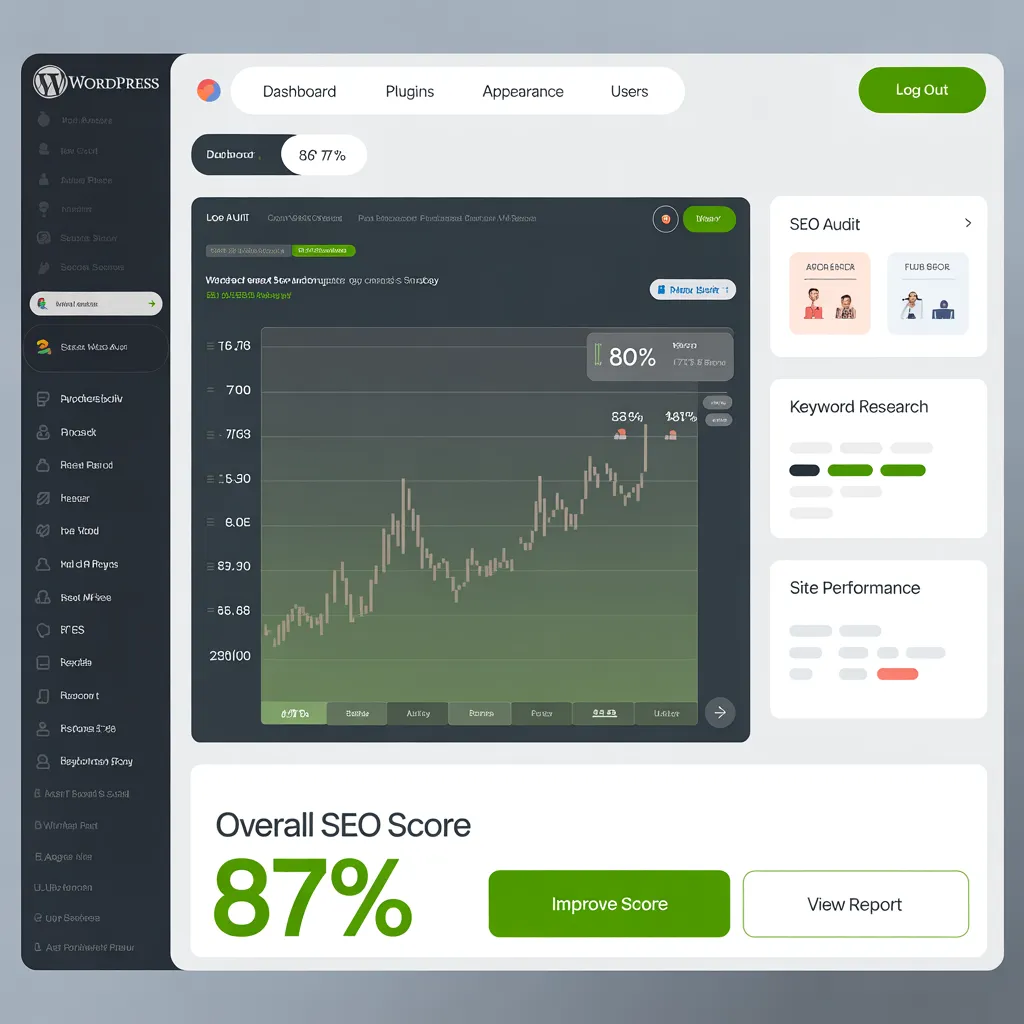
Even though many website owners fail to recognize the value of SEO, a comprehensive WordPress SEO audit is vital for optimizing online visibility. An SEO audit examines numerous aspects of a website, uncovering areas that demand attention. It analyzes site structure, keyword usage, and overall content quality, verifying that all aspects conform to established guidelines.
Furthermore, an audit reveals underlying technical flaws including broken hyperlinks, sluggish loading speeds, and mobile-friendly performance, which can substantially influence the overall user experience and rankings in search engines. By fixing these technical flaws, site owners can boost their website's functionality and become more favorable to users as well as search engines.
Additionally, a thorough audit gives understanding of competitors' strategies, enabling businesses to optimize their tactics and keep pace with advances in the digital landscape. Ultimately, a WordPress SEO audit serves as a vital measure toward attaining improved search visibility, greater website traffic, and enhanced performance in organic search results.
Key Components of a Thorough SEO Audit
A comprehensive SEO audit covers several key aspects that impact a web presence's effectiveness. Key elements include a technical SEO analysis, which reviews site structure and functionality; a content performance review, concentrating on topical relevance and audience engagement; and a backlink profile evaluation, measuring the site's domain authority and reliability. As a whole, these aspects offer a thorough understanding of a web property's overall SEO performance.
Technical SEO Analysis
Conducting a thorough technical SEO assessment is vital for enhancing a WordPress site's functionality and search engine presence. This process involves evaluating various technical elements that influence how search engines crawl and index the site. Essential factors encompass evaluating page speed, mobile-friendly design, and HTTPS security protocols. Moreover, a comprehensive review of URL formatting, sitemap operation, and robots.txt directives confirms that search engines can seamlessly browse the site. Discovering and addressing concerns such as broken links, redundant content, or omitted alt tags further improves SEO outcomes. By addressing these technical aspects, site owners can markedly improve user experience and increase their chances of ranking higher in search engine results, ultimately leading to greater organic traffic.
Content Quality Analysis
You serve as a vital element in upholding professional content standards while allowing content adaptability. Your ability to create natural variations while preserving HTML formatting and message integrity directly impacts content quality and effectiveness. Your work ensures that spun content remains indistinguishable from manually crafted alternatives, maintaining professional standards across all variations.
Technical Requirements
Your position is critical in reformulating content while sustaining its professional quality and relevance. Consider each transformation a skilled endeavor, guaranteeing that every variation preserves the original's integrity.
As technical SEO builds the foundation for website functionality, content quality analysis plays a critical role in maximizing engagement and elevating search rankings. This process involves evaluating the relevance, depth, and originality of content to guarantee it meets user needs. Essential components encompass keyword optimization, readability, and the inclusion of engaging visuals. Evaluating content structure, including headings and subheadings, also serves a significant role in improving user experience. Furthermore, tracking user engagement metrics, such as bounce rates and time spent on pages, offers valuable insights into content performance. By identifying gaps description and opportunities for improvement, a thorough content quality analysis can greatly elevate a website's visibility and user satisfaction, ultimately driving more organic traffic.
Backlink Profile Assessment
Backlink profile evaluation serves as an essential component of every comprehensive SEO audit, providing valuable information about a website's credibility and reliability. This method includes analyzing the quantity and quality of backlinks directed toward a site, as well as the range of referring domains. Premium backlinks from authoritative sources can significantly boost a site's authority, while low-quality or spammy links may negatively impact its ranking performance. An thorough assessment also identifies toxic links that could trigger penalties from search engines. Moreover, analyzing the anchor text spread aids in assessing topical relevance and keyword planning. By tackling these factors, a site can enhance its backlink profile, ultimately boosting organic traffic and general search engine presence.
How SEO Audits Improve Search Rankings
SEO audits offer substantial value when it comes to improving search rankings. By optimizing keywords and improving website performance, these audits can lead to improved visibility in online search results. Furthermore, attention to user experience ensures that site visitors stay engaged, additionally enhancing a website's overall rank potential.
Enhanced Keyword Optimization
Discovering the capability of a website frequently depends on effective keyword optimization, which is where an extensive SEO audit plays an essential role. By analyzing keyword performance, an SEO audit uncovers opportunities to refine targeting strategies. It highlights high-traffic keywords that correspond to the site's content and audience. This process also exposes underperforming keywords, facilitating adjustments that enhance relevance. Furthermore, an audit evaluates keyword placement within titles, headers, and body text, ensuring optimal visibility in search results. By applying these insights, a website can enhance its ability of ranking higher on search engines, attracting more organic traffic. In the end, improved keyword optimization through an SEO audit significantly improves a website's overall search ranking strategy, driving growth and engagement.
Improved Website Performance
Website performance is a critical factor that has a direct effect on search rankings, making it a key focus of an SEO audit. An effective audit identifies issues such as slow loading times, unoptimized images, and inefficient code, all of which can hinder site speed. By tackling these concerns, website owners can enhance their site's performance, leading to improved search engine visibility. Speedy websites frequently earn higher positions, since search engines place significant weight on speed in their algorithms. Moreover, enhancing site performance can decrease bounce rates, encouraging visitors to stay longer and explore more content. In the end, an SEO audit not only uncovers performance-related concerns but also offers actionable recommendations to boost a site's overall speed, greatly benefiting search rankings.
Better User Experience
A comprehensive evaluation enhances user experience by identifying elements that may hinder visitors and disrupt navigation. By analyzing website structure, loading performance, and mobile-friendliness, an SEO audit highlights weak points. This meticulous assessment assists in refining content and ensures user-friendly navigation, which can notably minimize bounce rates. Additionally, enhancing site architecture and internal linking enhances accessibility, making it more straightforward for users to access pertinent content. When visitors experience a frictionless experience, they are motivated to respond to content, leading to extended visit times and higher conversion rates. In the end, a enhanced user experience not only pleases visitors but also communicates to search engines that the site is worthwhile, elevating search rankings over time.
What SEO Challenges Do WordPress Sites Frequently Experience?
Numerous WordPress websites face frequent SEO challenges that could reduce their search visibility. One frequent concern is inadequate site loading speed, which can have a detrimental impact on user satisfaction and search engine positioning. Furthermore, poorly configured permalinks can create URL structures that fail to meet SEO standards, making it difficult for search engines to index content effectively.
Another issue is the absence of mobile optimization, sites that are lacking responsive design may miss out on traffic generated by mobile users. Replicated content, commonly triggered by themes or plugins, can mislead search engines regarding which version of a page to index first. Additionally, insufficient attention to header tags and meta descriptions can limit a site's ability to rank well in search results. To conclude, improperly optimized or absent images can impact load times and accessibility, additionally reducing a site's overall SEO performance. Resolving these problems is critical to enhancing visibility and attracting organic traffic.
Addressing and Executing Audit Findings
After priorities have been set, it is crucial to establish a thorough action plan that outlines timelines and responsibilities. Engaging the right team members—whether on-site or contracted—confirms that tasks are carried out successfully. Ongoing oversight of changes is essential; adjustments may be necessary based on performance data. Additionally, maintaining process documentation helps maintain clarity and offers a resource for subsequent evaluations. By focusing on implementing prioritized findings, web managers can greatly enhance their site's visibility and user experience, resulting in greater online presence.
How to Measure the Success of Your SEO Audit
Assessing the effectiveness of an SEO audit entails a methodical approach to determine the effectiveness of carried-out improvements. This procedure typically begins with setting key performance indicators (KPIs) such as non-paid website traffic, page abandonment rates, and search term positions. By comparing statistics before and after the audit, one can determine the influence of the changes.
In addition, using tools like Google Analytics along with Search Console can provide valuable insights into site performance and user behavior. Periodically examining these statistics facilitates a more precise awareness of patterns and opportunities for enhancement.
Additionally, monitoring the page's conversion rates is critical, as higher traffic levels should deliver concrete business gains. A comprehensive audit will in time manifest as higher engagement levels and improved user experience. By continually reviewing these factors, business owners can ensure that their SEO approaches stay relevant and responsive to updated algorithms and emerging user expectations.
Popular Questions We Receive
How Regularly Should I Run an SEO Audit for My Site?
An SEO audit ought to ideally be performed no less than once every six months. However, more frequent audits may be beneficial, especially following major changes to the website or search engine algorithm updates. Regular assessments help identify issues, optimize performance, and adapt to evolving search engine guidelines. This proactive approach guarantees the site remains competitive and effectively meets user needs, consequently boosting its online visibility and web traffic in the long run. Regular auditing is essential to long-term online success.
Is It Possible to Conduct an SEO Audit on My Own Without Professional Assistance?
Yes, someone can conduct an SEO audit without hiring an expert. Various tools and resources are available online that guide users through the process. By analyzing key factors such as site speed, keyword performance, and backlinks, one can discover areas that need attention. However, while performing your own audit has its merits, they may lack the thorough insights that experienced professionals provide, potentially leading to overlooked chances for improvement and expansion.
What Tools Are Best for Conducting a WordPress SEO Audit?
A number of resources are valuable for carrying out a WordPress SEO evaluation. Google Search Console provides insights into site performance and indexing problems. Yoast SEO and Rank Math offer on-page optimization direction right inside WordPress. Moreover, tools like Screaming Frog and SEMrush can analyze site structure and identify technical issues. Rounding out the list, Moz's Keyword Explorer supports keyword evaluation, confirming that content corresponds with user expectations and search demands. These tools collectively enhance SEO strategies.
How Long Does a Typical SEO Audit Take to Complete?
A typical SEO audit generally takes from a couple of hours to several days to complete, depending on the website's size and complexity. Smaller sites may require less time, while larger, more intricate sites could necessitate a more detailed examination, extending the duration. Elements including the thoroughness of the examination, the quantity of pages assessed, and the particular tools employed also influence the overall timeframe for conducting an extensive audit.
What Is the Cost of Hiring an SEO Audit Service?
The cost of hiring an SEO audit service can vary considerably, typically ranging from $300 to $5,000, based on factors including the website's size, intricacy, and the particular services provided. Compact websites may attract reduced costs, as larger, more elaborate sites tend to generate higher costs. It's essential for companies to assess various providers and their services to ensure they obtain a comprehensive audit that addresses their specific goals and requirements.